
 7688 SW Capitol Highway, Portland OR, 97219
 503 432 7450
 info@southwestportlandmartialarts.com



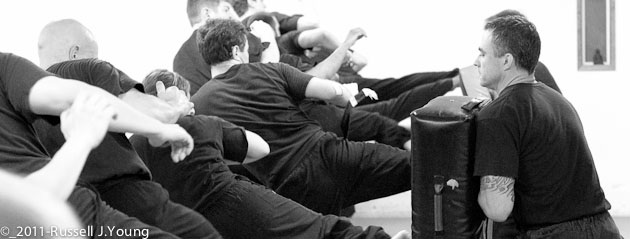
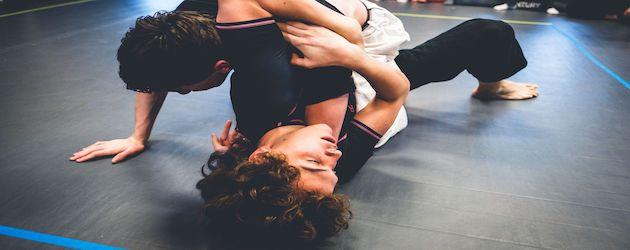
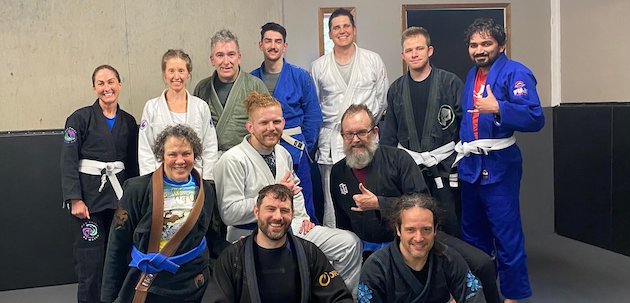
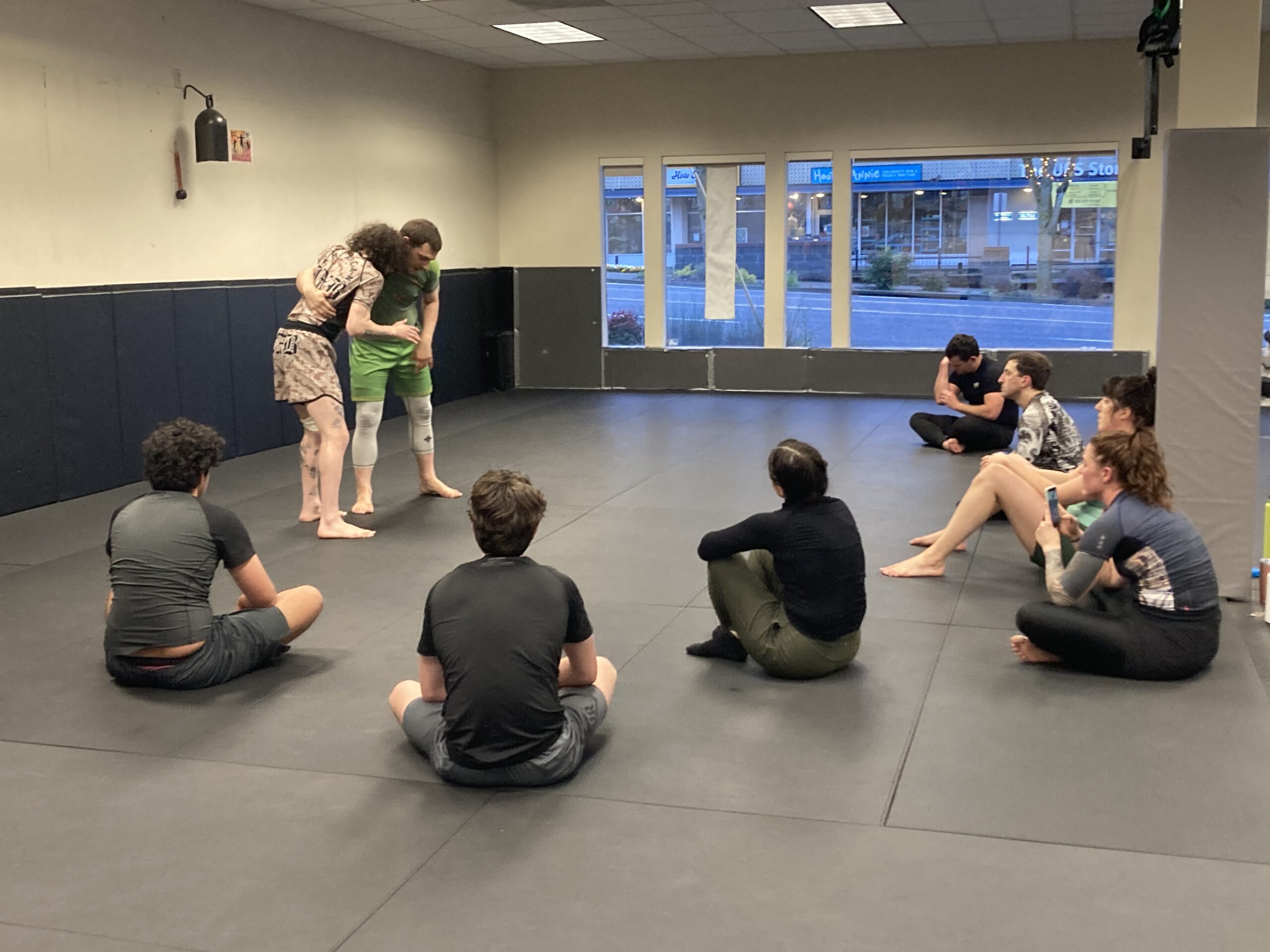 April’s BJJ theme is the under hook. What’s that? Well, anytime you get a grip under your partner’s arm, it’s usually called an under hook. If it helps, anytime you get a grip over your partner’s arm, it’s usually called an over hook.
Why is the under hook important? It’s a good initial grip. If you’re working with a partner who has no skill at all, it is 100% possible to “do a move” to them without any setup. You don’t need to do anything other than the move itself. However, if you’re working against someone with skill, or even someone strong or with some athletic ability, in order to “do a move” it is often very helpful to do some preliminary work first.
The under hook is preliminary work. The even better news is because the under hook is often the first step in many moves, that means if you prioritize getting it, you are actually set up to do any number of moves depending on how your partner reacts.
So, while there are no absolutes in martial arts, there are some pretty solid ideas. One of them, in BJJ, is to get the under hook.
Interested in our BJJ program? Come try a free week. Here’s the schedule.
SW Portland Martial Arts Blog
Under hook
March 31st, 2026Specials
March 29th, 2026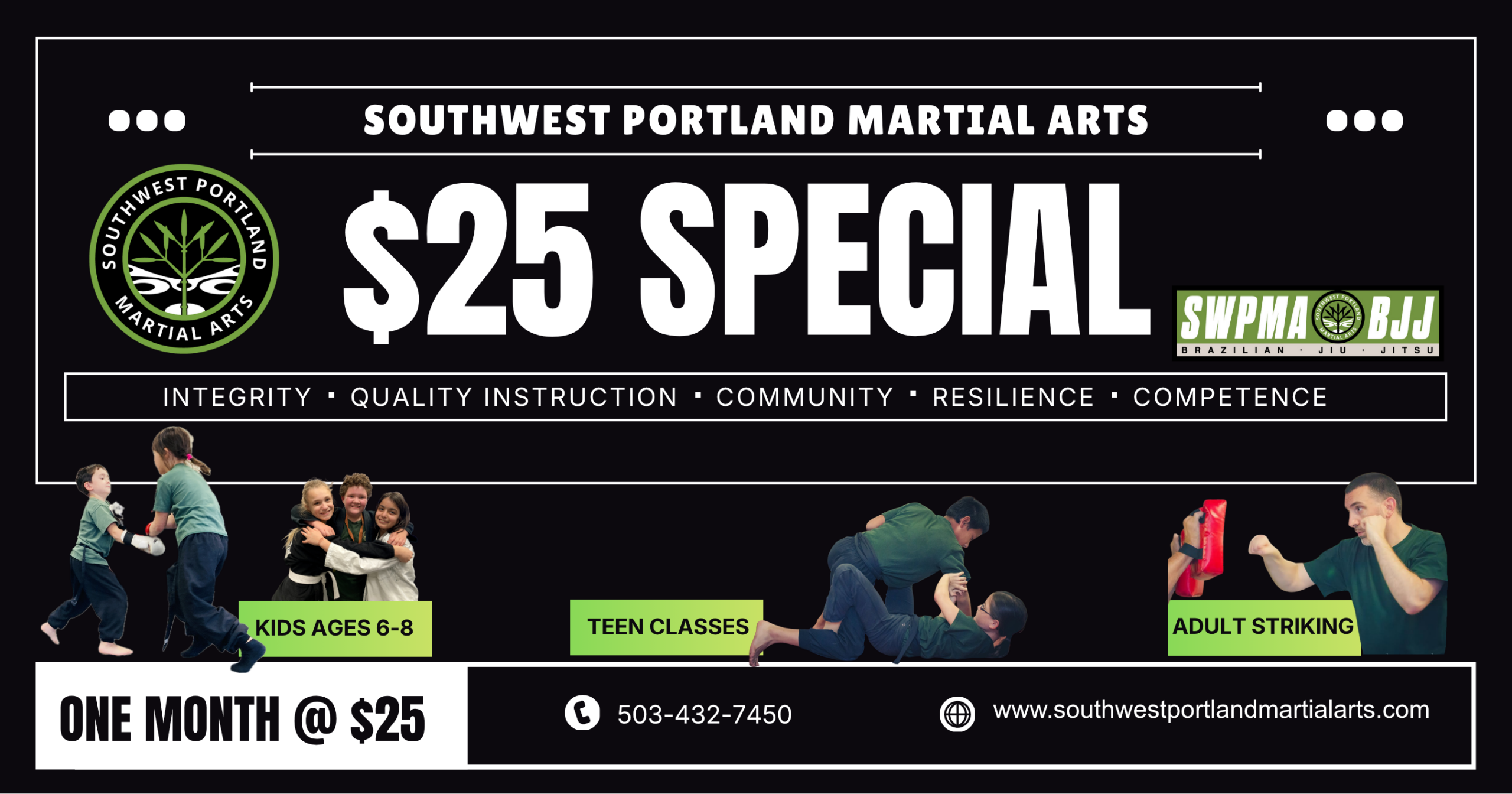 Why run one special when you can run three? Probably, for simplicity we should only run one at a time, but here we go anyway.
First, if you’ve got a kid who is ages 6-8, we’re offering a month of classes for $25. This gets you access to classes Monday, Tuesday, Wednesday, and Thursday – all from 4:25-4:55pm. It doesn’t get you any of the other 6-8 classes but if your kid loves the program, we’ll throw in the next month at 50% off our usual membership fee. Buy it anytime until 4/30, use it anytime before 12/31/26.
Second, if you’ve got a teenager, or are a teenager yourself, we are offering a month of our teen classes for $25. This gets you access to classes Wednesday @ 6pm, Thursday at 6pm, Saturday at 11am, and Sunday at Noon. If you like the classes, we’ll throw in the next month for 50% off our normal membership rate. Buy it anytime until 4/30, use it anytime before 12/31/26.
Finally, if you’re 13 or older, we are offering a month of our striking classes for $25. This gets you access to our Muay Thai and Mo Duk Pai programs. Classes are Monday @ 6pm, Tuesday @ 6pm, Wednesday @ 7pm, Tuesday @ 11am, and Thursday @ 11am. If you like the classes, we’ll cut you a 50% off deal for your next month. Buy it anytime until 4/30, use if anytime before 12/31/26.
All of these offers are for NEW STUDENTS ONLY.
Go here for the kids and teenagers offer and here for the adult striking offer.
Kids Tournaments
March 28th, 2026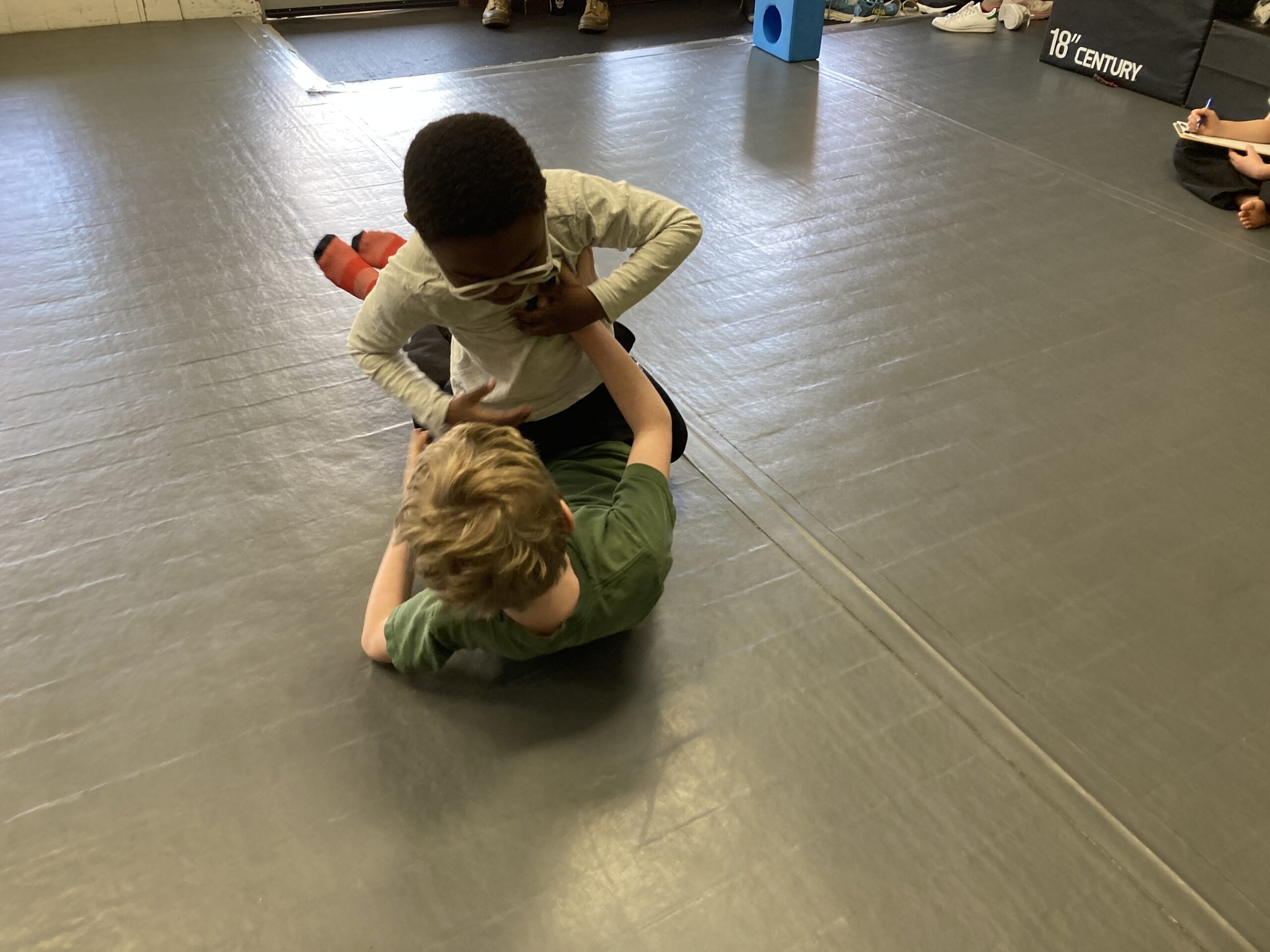 We love a friendly competition. While tournaments aren’t for everyone, we truly believe they are for anyone who is has the inclination to put themselves out there. Like our regular classes, we don’t force students to do anything they don’t want to, but we encourage them to move ever closer (no matter what the pace) toward challenge and learning.
We host four tournaments a year – two grappling focused events and two sparring focused events. All are welcome. You can see the latest ones here.
Interested in our kid’s classes? Check out our schedule here and try a free week.
Sunday Coaches
February 15th, 2026 Neither Karl nor Shelby are new to us as coaches, but we’ve finally got the schedule down so that they are appearing regularly on Sundays. Karl will coach on the 3rd Sunday of every month, and Shelby will teach on the 1st Sunday of every month.
Interested in our BJJ program? Check out the schedule here.
Motivation
January 31st, 2026
If you care about realism, martial arts can be a tricky thing to train.
Do you go full speed and full contact so that you’re ready for a “real” fight? Maybe. That’s a whole lot of risk. Most professional sport fighters don’t spar with full contact. They’ve figured out that it’s too risky – they end up hurt and unable to train.
So how about training with some speed, some contact, and a training knife? It’s not sharp, but there’s few things more motivating than a knife in the belly (even when the blade is dull).
Is it realistic? Will it work? Those are open questions, but the intensity level, the pressure, and the consequences of failure are definitely there.
Interested in Systema classes? Come try a free week. The schedule is here.