 7688 SW Capitol Highway, Portland OR, 97219
 503 432 7450
 info@southwestportlandmartialarts.com


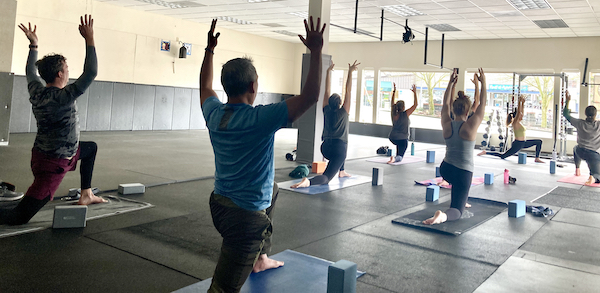
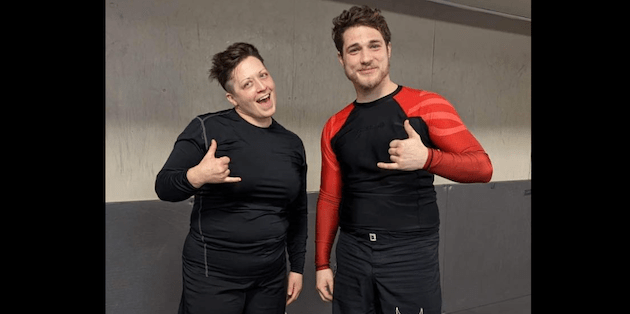

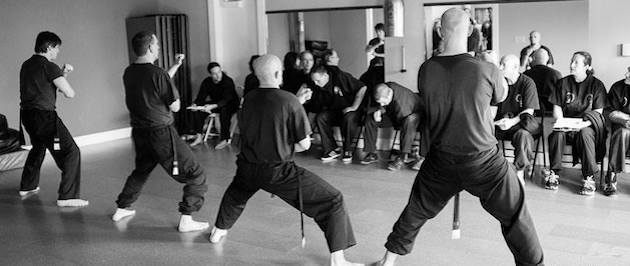
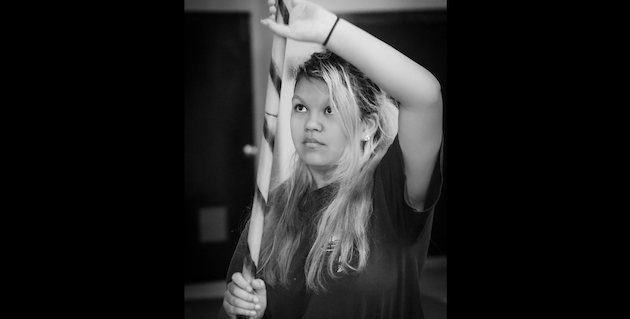
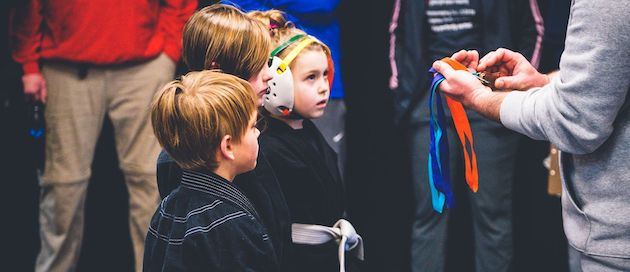
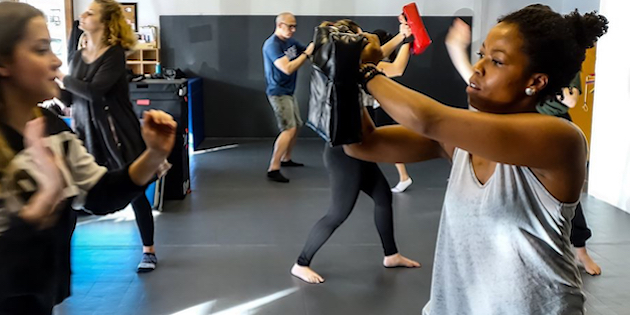
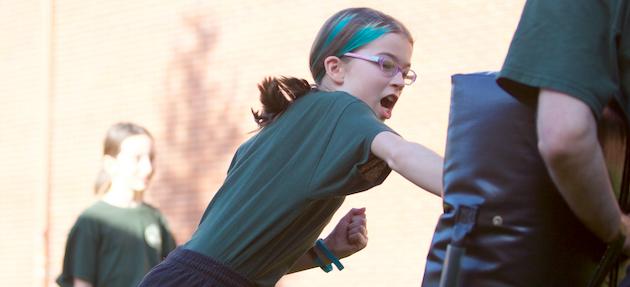
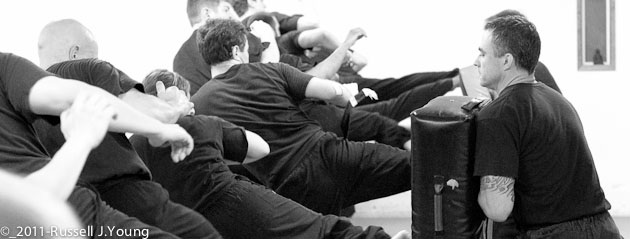
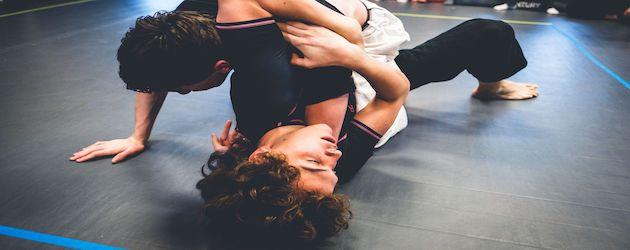
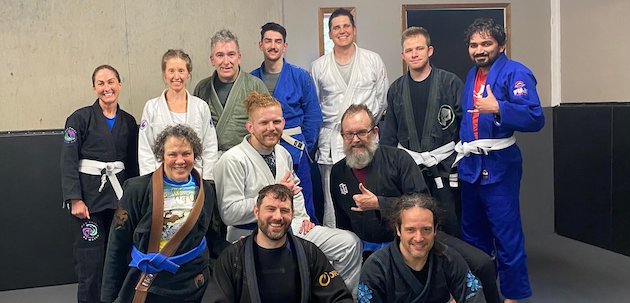
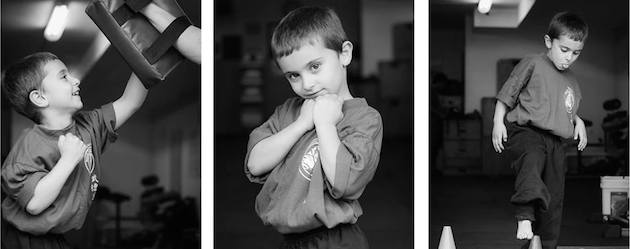
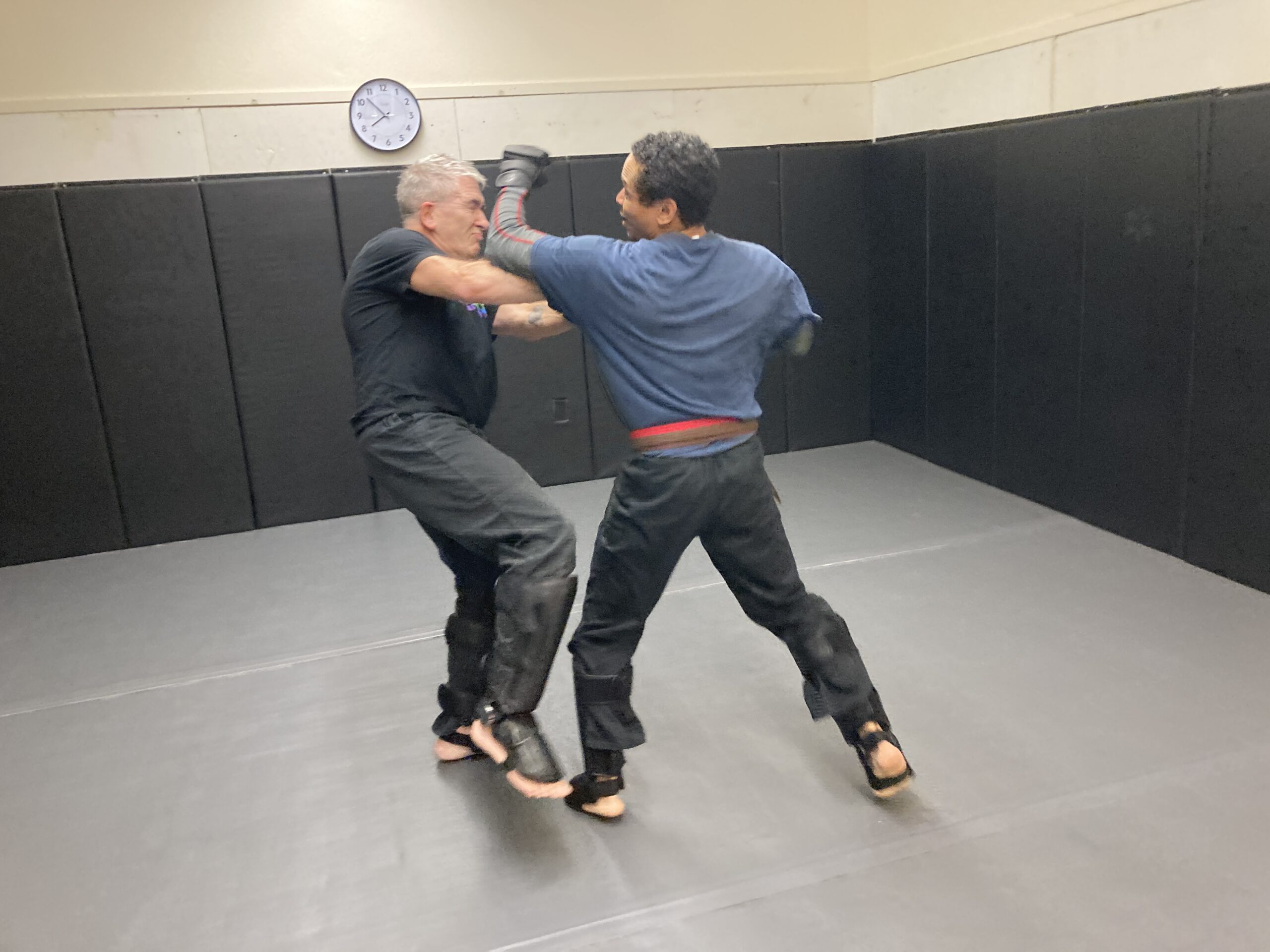 What do we do with all those techniques? We play. How do we play? Many different ways. We play wrestling games, we play striking games, we play weapon games, we play all the things. That’s Mo Duk Pai.
Why do we play so many games? Because we want the larger picture of martial arts. That is all.
SW Portland Martial Arts Blog
Swish
October 22nd, 2026Your Favorite Coach
October 20th, 2026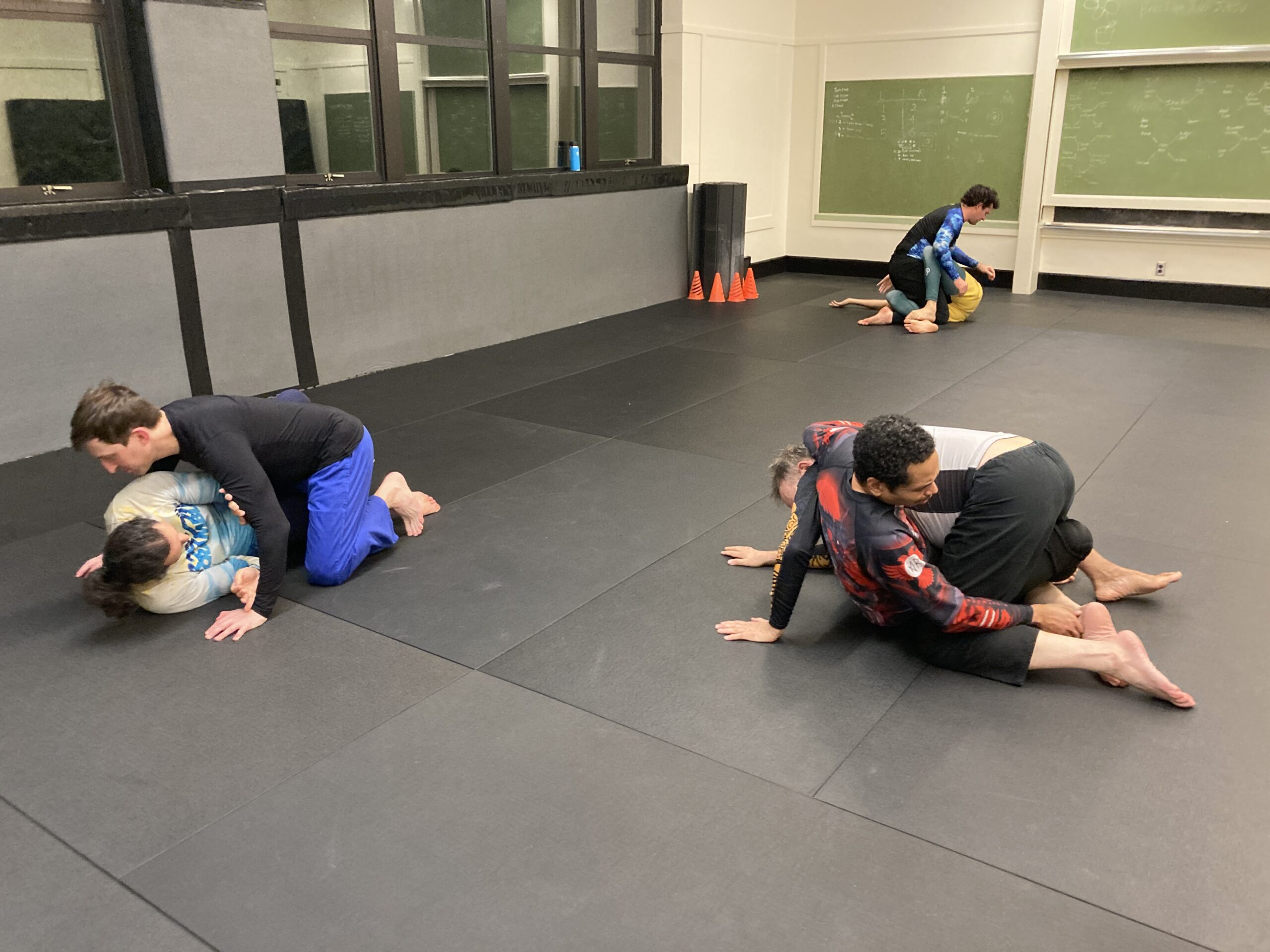 Do you have a favorite coach? Excellent. What makes them your favorite? Is it the their sense of humor? Is it the content they deliver? Is it the cool outfits they wear? Is it their ability to answer tough questions?
If you don’t have a favorite coach, can you fabricate what yours would look like by taking all the good parts from the coaches you know and compiling them together in an elite and imaginary being? Do you like the way one coach runs warmups? Can you steal the amazing sense of precision from another coach and toss that in?
Do you have a least favorite coach? What is it they do that is so awful? Is it the way they ignore the students to go check their phone? Is it the way they shoot down questions with a grumpy stare?
If you don’t have a least favorite coach, can you build them?
Why do this? Because, I believe, it can help you understand what makes you learn better. Try it. See what you come up with.
We’ll Meet You Where You’re At
October 19th, 2026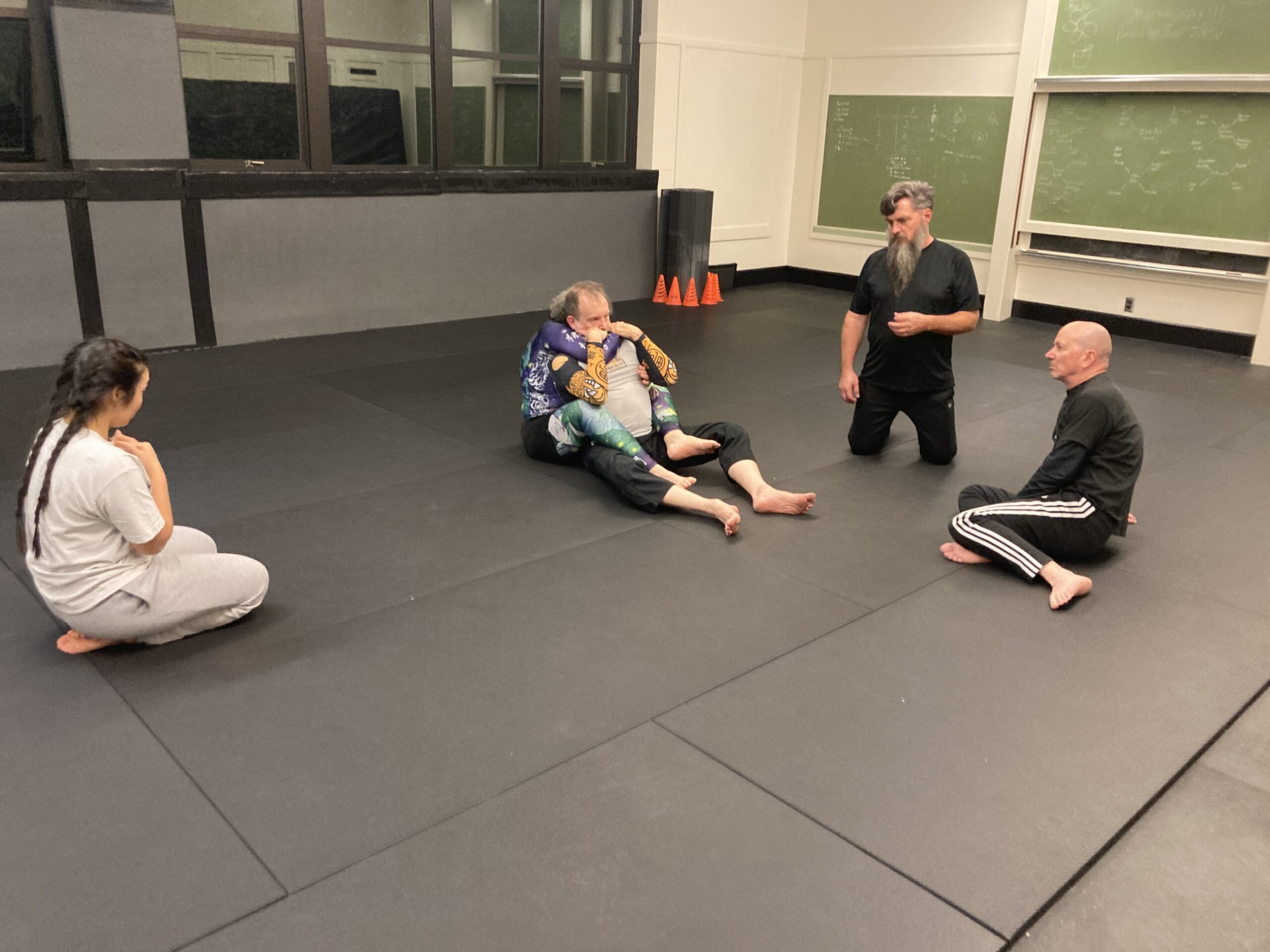 People put nice sounding slogans on everything, but how often do they actually mean something? Hard to say.
Let me throw this one out there: “We’ll meet you where you’re at.”
Does it immediately make sense and/or you’re not particularly interested in the thoughts behind the slogan? Awesome, you can skip the rest of the post.
We, as a gym, love helping people of all skill levels, ages, and walks of life. We enjoy the challenge of working with someone who has never done martial arts before but wants to give it a try. We love working with someone who has been training for twenty years and want to see if they can keep sharpening their skills. It brings us joy to work with folks who are struggling with an injury. Is it starting to make sense.
We love coaching. If you want to learn, we’re here to teach anyone who is willing to walk through the door.
Sweatshirt Pre-order
October 16th, 2026
Want to wear the passionate love you feel the gym directly on your back? Buy a sweatshirt! This is a pre-order.
Order before the end of October. If you wait until you see someone else looking radiant in one of these fantastic garments, you’ll have to hope we have leftovers in your size. We might. We might not. Don’t do it. Order immediately so you can be cozy, fashionable, and (seemingly impossibly) more awesome when the sweatshirts arrive in mid-November.
You can wear it as a uniform in class. You can wear it out and about town. You can wear it anywhere you want, because you are awesome.
Enter the type (crewneck, hoodie, or zip hoodie) you want and your email. We’ll send you an email to get size info. We’ve got kids sizes, adult sizes, and all sizes in between. What colors can you choose from? Green, green, green, or green. Simplicity is beauty and beauty simplicity.
Pickup only. We don’t have the bandwidth to fiddle with shipping or delivery.
We Moved!
September 1st, 2026The new space is amazing! If you haven’t been there yet, come on in. We’re just off the rear parking lot off of SW 31st at the Multnomah Art Center.
Moving costs were big @ roughly $7500 for flooring and another $5000 for equipment that will allow us from screwing into the ceiling (avoiding a hugely expensive, tangled process)… and several of you have asked so now if you want to give money to help cover the costs, AWESOME!
Here’s the button to give. It’s sliding scale. The last option is a $215 punch card, so you’re 100% welcome to buy that as a donation to the cause and use it yourself or gift it to a friend.
If you’d like to give a different amount, you can PayPal us directly at redmonk@monkey.org or come in and throw cash at us. ***If you donate in cash or check, 100% of the $ goes to the moving costs; merchant fees have exploded in recent months/years! A good chunk of your $ goes to that service provider.
Thank you to everyone who helped with the move, everyone who wanted to help but couldn’t make it, and all the people who have been part of this community over the last 17+ years.